

Introduction
In a world where natural remedies and traditional herbs are regaining popularity, koriandri has emerged as a quiet powerhouse in both the kitchen and the wellness cabinet. Long praised in ancient medicine and global cuisines, this often-overlooked herb is finally being recognized for its impressive health benefits in 2025. From reducing inflammation to managing blood sugar levels, its significance transcends culinary use.
Whether you’re a home cook looking to explore global flavors or someone seeking holistic wellness solutions, understanding koriandri can enrich your lifestyle in multiple ways. This ultimate guide unpacks everything you need to know — from its medicinal value to practical ways to include it in your daily life.
Let’s explore why this modest herb may just become your next staple.
What is Koriandri?
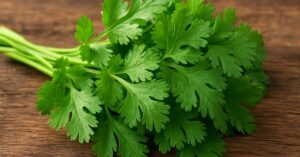
Koriandri is a term derived from regional names for coriander, a plant valued for both its leaves (known as cilantro) and seeds. Scientifically named Coriandrum sativum, it belongs to the Apiaceae family and is cultivated globally.
Key Identifiers
- Seeds: Warm, citrusy flavor; used in curries and pickles
- Leaves: Bright, pungent, often added fresh to dishes
- Roots (less commonly used): Intense flavor typical in Southeast Asian cuisine
This botanical, known for its adaptability in cuisines from India to Mexico, has an equally adaptable pharmacological profile that modern science is now validating.
Explore Koriandri benefits for wellness at Health Threetrees com vn – your trusted source for natural health solutions.
Historical Significance and Cultural Use
Coriander’s history dates back over 7,000 years. Ancient Egyptians used koriandri in perfumes and embalming mixtures, while Ayurvedic and Traditional Chinese Medicine systems prized it for cooling the body and treating digestive and respiratory disorders.
Regional Uses
- India: Integral in spice blends like garam masala
- Middle East: Mixed with cumin in shakshuka or meat rubs
- Latin America: Leaves are essential in salsas and soups
Its enduring global presence is a testament to not only its flavor but also its healing potential.
Nutritional Profile and Key Compounds
Understanding the nutritional components of koriandri reveals why it’s so beneficial. It contains a wealth of bioactive compounds that make it a well-rounded super-herb.
| Nutrient (in 100g dry seeds) | Amount |
| Dietary Fiber | 41g |
| Magnesium | 330 mg |
| Iron | 16.3 mg |
| Vitamin C | 21 mg |
| Essential Oil (Linalool) | 1-3% |
Key Compounds
- Linalool: Exhibits anti-inflammatory and anxiety-reducing effects
- Terpenes: Natural antioxidants
- Coumarins: Antibacterial and blood-thinning properties
These compounds contribute to the herb’s effectiveness in a wide range of health concerns.
Proven Health Benefits of Koriandri
Modern research supports what traditional medicine has long claimed. The holistic benefits of koriandri make it a worthy addition to your health routine.
Scientifically Backed Benefits
- Antioxidant-rich: Neutralizes free radicals
- Anti-inflammatory: Helps with arthritis and chronic inflammation
- Antimicrobial: Effective against foodborne pathogens
- Cholesterol-lowering: Supports cardiovascular health
A 2025 peer-reviewed study from the Journal of Medicinal Plants Research confirmed koriandri seed extract reduced LDL (bad cholesterol) and increased HDL (good cholesterol) in clinical trials.
Koriandri for Gut and Digestive Wellness
Digestive health is at the core of overall well-being, and koriandri plays a significant role in enhancing it. Its natural compounds trigger enzymatic activity that aids digestion.
How It Helps
- Stimulates appetite
- Soothes indigestion
- Reduces bloating and gas
- Helps with IBS symptoms
A small amount of koriandri tea or seed powder post-meal can ease digestive discomfort, particularly for those on a high-protein diet.
How It Supports Heart & Blood Sugar Health
Cardiometabolic health is a major concern in 2025. Koriandri presents a natural option to support it, especially for individuals with prediabetes or high cholesterol.
| Health Factor | Impact of Koriandri |
| Blood Sugar | Regulates glucose levels |
| LDL Cholesterol | Reduces buildup |
| Blood Pressure | Mild vasodilator effect |
Researchers from The Global Phytotherapy Council found koriandri effective in improving insulin sensitivity in type-2 diabetic patients over a 12-week period.
Incorporating Koriandri in Your Daily Diet
One of koriandri’s biggest strengths is its culinary versatility. With both seeds and leaves being usable, the methods of integration into daily meals are endless.
Easy Ways to Use It
- Powdered Seeds: Sprinkle over roasted vegetables
- Whole Seeds: Toast and grind for spice blends
- Fresh Leaves: Garnish for soups, curries, and salads
- Herbal Tea: Steep seeds for a detoxifying drink
Start with small amounts to understand how the flavor and effects work with your body.
Koriandri in Skincare and Beauty
The natural antibacterial and anti-inflammatory properties of koriandri make it a great addition to skincare routines, particularly for sensitive or acne-prone skin.
Beauty Uses
- Face Masks: Crushed seeds in yogurt base improves skin clarity
- Essential Oil: Reduces fungal infections and soothes inflammation
- Toners: Coriander water helps with pore tightening
Avoid direct essential oil application without a carrier oil, as it’s potent and can cause irritation in concentrated form.
Precautions, Allergy, and Safe Consumption
Despite its benefits, koriandri isn’t for everyone. Allergies, particularly to plants in the Apiaceae family like parsley or celery, can occur.
Tips for Safe Use
- Begin slowly if you haven’t used it before
- Do not ingest essential oil internally
- Consult a physician if pregnant or breastfeeding
- Look for certified organic products for maximum purity
In rare cases, koriandri has shown cross-reactivity with certain medications, particularly blood thinners.
Buying, Storing, and Using Koriandri
Freshness and storage matter more than you think. Whether buying seeds or leaves, their potency deteriorates with light and air exposure.
Buying Guide
- Seeds: Choose whole over powdered for longer shelf life
- Leaves: Opt for vibrant green bunches, no wilting
- Dry Storage: Keep in airtight jars away from sunlight
| Form | Shelf Life | Best Storage |
| Seeds | Up to 1 year | Cool, dry place |
| Leaves | 3–5 days (fresh) | Refrigerated (wrap in damp cloth) |
Quality sourcing ensures you’re getting the full nutritional and medicinal profile the herb offers.
Frequently Asked Questions (FAQs)
Is koriandri the same as coriander or cilantro?
Yes, it refers to the same plant — coriander is its seed and cilantro is the leafy part.
Can koriandri help with weight loss?
It may support digestion and metabolism, which can aid in weight management.
Are there side effects of using koriandri?
In high doses, it may lead to allergic reactions in sensitive individuals.
How often can I consume koriandri tea?
1–2 times daily is generally safe for most people.
Does koriandri interact with medications?
Yes, especially with anticoagulants. Always consult a healthcare provider.
Conclusion
Incorporating koriandri into your lifestyle is more than a culinary trick—it’s a wellness upgrade. Its benefits span nutrition, digestion, heart health, skincare, and beyond. As we look toward more natural ways of improving health in 2025, this age-old herb proves itself to be timeless.
Start small: a little sprinkled on your food, a tea after meals, or even a DIY skincare recipe. You’ll quickly realize that this modest plant can have a big impact.
Ready to explore the healing power of koriandri? Try adding it to a meal today and observe how your body responds — one natural step at a time.